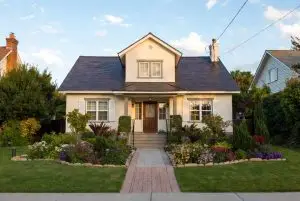
Trees are one of the best features of any Kansas yard. They bring shade, beauty, and value — but when it comes to your foundation, those roots can be both a blessing and a curse.
At Advanced Systems of Northeast Kansas, we’ve seen firsthand how tree roots can quietly create serious structural issues. Understanding how they interact with your soil and foundation is the first step toward protecting your home.
How Tree Roots Affect Your Foundation
1. Moisture Competition in Clay Soil
In much of Northeast Kansas, we deal with clay-heavy soils that expand and contract with changes in moisture. Tree roots absorb water from the surrounding soil, creating localized drying zones. As the soil shrinks, your foundation can settle unevenly — leading to cracks, sloping floors, or doors that no longer close properly.
Learn more about how Kansas’s unique soil affects homes in our post:
👉 Understanding Foundation Settlement in Clay Soils
2. Soil Displacement and Compaction
Growing root systems shift and compact the soil around them. That irregular pressure can cause one side of your foundation to lose uniform support, especially if roots extend beneath slabs or driveways.
3. Root Intrusion Through Cracks
Though roots can’t typically break through solid concrete, they can work into existing cracks or joints, widening them over time. Once that happens, moisture and soil movement worsen the damage.
Which Trees Pose the Highest Risk?
Some species are more likely to cause foundation issues than others. In Kansas, these are common culprits:
- Willows and poplars – aggressive, water-hungry root systems
- Silver maples and elms – wide, shallow roots that travel far
- Cottonwoods – thrive in damp soil near foundations or drain lines
The closer a tree is to your home, the greater the risk. For most large species, keep at least 20–30 feet between the trunk and your foundation.
For landscaping inspiration that protects your home, check out:
👉 Smart Landscaping for Foundation Protection: Plants That Help, Not Harm
Warning Signs of Tree-Related Foundation Damage
You may not see roots themselves, but you can spot their impact. Look for:
- Cracks in your foundation walls, drywall, or brick mortar
- Gaps between baseboards and floors
- Uneven or sloping floors near exterior walls
- Doors or windows that stick or shift out of square
- New moisture or drainage problems near tree lines
If you’re seeing any of these, schedule a free foundation inspection before the issue worsens.
Prevention and Repair Options
Root Management & Prevention
- Root barriers: Installed vertically to redirect root growth away from your home.
- Selective pruning: Professional arborists can remove problematic roots without harming the tree.
- Moisture control: Water evenly during dry seasons to prevent soil shrinkage near foundations.
- Proper tree placement: Keep new plantings well away from your foundation and drainage paths.
Learn about moisture management and waterproofing here:
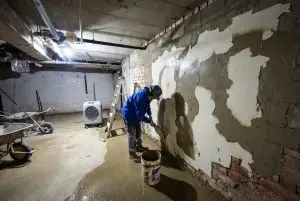
👉 Basement Waterproofing Services
Structural Repairs
If tree roots have already caused foundation movement or cracking, structural stabilization may be needed. We often use:
- Stratos Pier® systems for long-term stability below root zones
- Push piers and helical piers to support and lift settled areas
- Crack repair and sealing to prevent moisture intrusion
- Regrading or drainage correction to restore proper runoff
Explore our Foundation Repair Services page for details on how these solutions work.
Why You Shouldn’t DIY Root-Related Foundation Issues
While it’s tempting to tackle cracks or drainage fixes yourself, tree-related foundation problems are complex. Improper root trimming, barrier placement, or soil compaction can worsen the issue — and create expensive repairs down the line.
Our certified team at Advanced Systems of Northeast Kansas provides professional foundation inspections across Lawrence, Topeka, Manhattan, and surrounding communities. We evaluate both structural symptoms and root/soil conditions, designing a repair plan that lasts.
See why homeowners trust us:
👉 About Advanced Systems of NE Kansas
Trees and Foundations Can Coexist
You don’t have to choose between your beautiful shade trees and a stable home — you just need balance. By understanding how roots and soil interact, and by catching early signs of trouble, you can preserve both.
If you’ve noticed cracks, uneven floors, or suspect roots are impacting your foundation, don’t wait until damage spreads.
Schedule your free inspection today and let our experts protect your home from the ground up.
📞 Call Advanced Systems of NE Kansas or fill out our online form to get started.